Five Things I’m Loving Right Now — Summer Edition

Friends,

In belated celebration of the solstice and the lovely summer weather, here’s another round of the five things I’m loving right now. Be sure to hit me up in the comments about the stuff you’re grooving on!
17261670

1. All the new releases in M/M romance

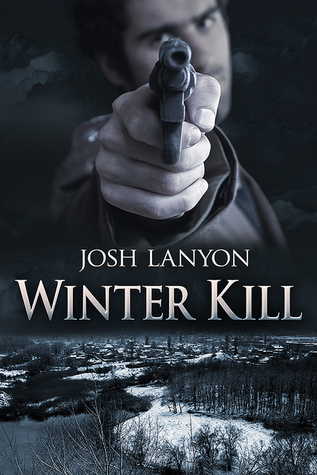
Some heavy hitters have new releases out this month, perfect for those easy days at the beach or lazing on the balcony drinking your bevvy of choice. The only real concern is in which order to read them in. The one I’ve chosen is Josh Lanyon’s Winter Kill, Amy Lane’s The Deep of the Sound, followed by K.J. Charles’ The Secret Casebook of Simon Feximal, then Jordan L. Hawk’s Mocker of Ravens, Harper Fox’s Last Line 2, J.L. Merrow’s Played, and Kaje Harper’s Life, Some Assembly Required. The only downside is it will take me less than a month to get through them all, and what am I going to do with the rest of July and August?
718sNkR1l7L__SX522_

2. Acupressure mats

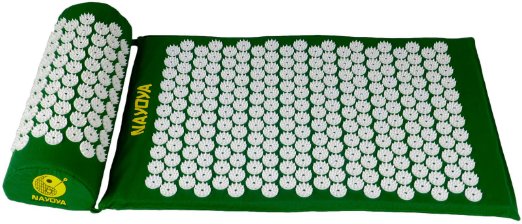
I don’t usually go in for what my friend J. describes as “that woo-woo stuff,” and the various web sites for this product claim it does everything from help you lose weight to cure major ailments. But I am here to tell you that after a long, stressful day, especially at the end of your workout, lying on this bad boy is like an evil massage that works your muscles but feels so good afterwards. My friend A. is the fairy godmother who gave me this “torture device” for my last birthday, and I have been singing her praises ever since. Especially good on feet swollen from long walks in the hot sun, or those hard to reach places on the back of your neck. And way cheaper than paying for regular massages, as well.

3. Brandon Flowers’ The Desired Effect

A buoyant ’80s-influenced pop extravaganza that combines Flowers’ playful, evocative lyrics with one of the best male voices out there right now. If you grew up loving the New Romantics, like I did, this album will bring you back. Favorite tracks include Can’t Deny My Love, I Can Change, Untangled Love, and Lonely Town.

4.  The 100

Summer is the perfect time to catch up on or binge shows that you missed during the year, and this one has been on my list for a while. While it doesn’t exactly reinvent the wheel, it was definitely worth the wait. I call it “Lost and Battlestar Galactica’s teenage love child,” because you will recognize a good deal of those shows’ ideas, themes, and actors (I swear half of BSG’s Canadian cast has appeared on this show at least once–just waiting for you to show up, Tamoh!), but that doesn’t make its dystopian space opera narrative any less riveting. The premise is simple: 100 delinquent teens from a space station orbiting Earth are sent back down 100 years after nuclear war to see if the planet is inhabitable (spoiler alert: it is, because duh). We keep track of the teens as they try to survive in this new, brutal environment (think Lord of the Flies on crack), but also follow their parents and elders stuck on the dying space station.

One of the best parts of the show is the amazing gender equality and diversity of the cast. Among the main actors, it’s a 50-50 split between men and women, with two women as the show’s lead characters. I’d actually say white men are in the minority on the show, and they are most often portrayed as evil, or at least misguided, characters. Though everyone has flaws, and the character arcs progress beautifully, and the action is pretty non-stop. But the writers aren’t precious about squeezing all the life out of a situation to maintain the status quo. Things are constantly changing on the show, and they aren’t afraid to reward the viewer with major, long-awaited events when the time is right. You’ve seen a lot of it done before, and most of the teens are unreasonably good-looking (if perpetually muddy), but for summer viewing? The 100 definitely hits the spot.

5. My dog’s fur

This is on the more personal side. My little poochie turned eight this year, which is more or less senior age for a dog, and I’ve become more aware of the ticking clock. She’s never been the cuddliest dog–too independent, like her person–but as she’s gotten older, she’s mellowed a bit about the whole “curling up” thing, and I’m stupidly grateful. There’s nothing like mushing my bare feet into her fur when she sits on the far end of the couch while I write, or feeling her silkiness on my cheek as we snuggle while watching TV. I’ve shaved her down for the season, so it’s a bit pricklier than normal, but that just makes her all the more huggable. I never want to take that feeling for granted, and I’m so grateful that she’s in my life.

Enjoy the sunshine!

Selina
Review: U2 Innocence + Experience Tour

I went to the Garden of Love,

And saw what I never had seen:

A Chapel was built in the midst,

Where I used to play on the green.

And the gates of this Chapel were shut,

And ‘Thou shalt not’ writ over the door;

So I turn’d to the Garden of Love,

That so many sweet flowers bore.

And I saw it was filled with graves,

And tomb-stones where flowers should be:

And Priests in black gowns,

were walking their rounds,

And binding with briars, my joys & desires.

William Blake, Songs of Innocence and of Experience


I took the money

I spiked your drink

You miss too much these days if you stop to think

You lead me on with those innocent eyes

You know I love the element of surprise

In the garden I was playing the tart

I kissed your lips and broke your heart

You… You were acting like it was

The end of the world

In my dream I was drowning my sorrows

But my sorrows, they learned to swim

Surrounding me, going down on me

Spilling over the brim

Waves of regret and waves of joy

I reached out for the one I tried to destroy

You… You said you’d wait

Until the end of the world

— U2, Until the End of the World


Last Friday and Saturday night, the city of Montreal was rocked by some of its favorite adopted sons, the magnificent U2. As a diehard fan, this weekend was the equivalent of a Christmas that only comes around every four or five years—a leap Christmas, if you will—so I thought I would share with you some of my thoughts and feelings about the shows (beyond, you know, WHHHHHOOOOO!!!!).

A bit of history first: I saw my first U2 show over 20 years ago, on the first leg of their iconic Zoo TV tour, and have seen the band every time they’ve played here since. That’s around 12-13 times by now, and if I had my druthers it would be ten times that. The closest I’ve ever felt to a religious experience was seeing them a month after September 11th, 2001, the crowd like an open wound and their music the only balm that could soothe us. Though I do love the elegiac side of them, pump-your-fist anthems and ear-worm sing-alongs, what first drew me was the post-Bowie swagger and theatricality of Achtung Baby, an album born and raised in one of my favorite cities in the world, Berlin. For a communication studies student, the multi-media malaise and pop-as-cultural-revolution aesthetic of Zoo TV spoke to every philosophy I was struggling to form, every artistic ideal I was honing at school. I’ve always loved U2 most at their darkest: doubting, critiquing, mourning. They’ve always understood that it’s only after hitting the bottom that you can truly soar.

I’m the first to admit that the output of 21st century U2 has challenged some of us who love them for their blue period, but their newer albums have always had just enough to hook me in, and certainly their live shows make up for any deep-track mediocrity. Some heady rock ‘n’ roll voodoo happens whenever they take the stage, Bono’s earnestness and bombast, powered by one of the tightest units this side of the Navy SEALs, transcending the bounds of time and space. At their best shows, like the one last Saturday night, the crowd’s thundering applause, ecstatic yawps, and wilding cries swirl into a hurricane of euphoria. At its epicenter is, of course, the band, a zenith of cool amidst the narrowing gyre.

Prior to this weekend, this particular album-tour-hiatus, rinse-repeat cycle had left me a bit embittered. After the high of their last album, No Line on the Horizon, my favorite since Zooropa, their latest, Songs of Innocence, left me cold. After the first two listens, I put it aside for almost a month, not impressed. I eventually went back for another listen, and like a good deal of the second half of the album—The Troubles and Sleep Like A Baby Tonight are favorites—but I feel the first half is some of their weakest material ever. Every Breaking Wave only worked for me once I heard the acoustic version. Still, I anxiously awaited a tour announcement. A few lesser songs would not ruin their live show.

When the announcement finally came, I was pumped. Two shows in a much smaller venue! The promise of an entirely acoustic performance the first night, then an electric one the second! But buying the tickets proved to be aggravating to the extreme. Loyal fans like me, fans who pay their fan club dues every year for the privilege of getting tickets first and fast, were only permitted to purchase two seats *for the entire tour*. This didn’t just stop them from seeing multiple shows—pretty much forcing them to buy scalped tickets—but groups of friends couldn’t go together. My two closest friends and I have been seeing the band together for years, and this time we weren’t able to. I also know of families who couldn’t sit together or even be guaranteed to go to the same night. This showed a rare disrespect from the band to their most loyal followers, and left a seriously bad taste in my mouth. Not to mention that actually buying the tickets reminded me more of Dante’s circles of hell than Blake’s flawed utopia.

Still, six months later and looking forward to a long weekend of U2 bliss, almost all was forgiven. Sure, it was annoying that the band asked us to be there for 7:30, and then made us wait for an hour. I was also a bit ticked that those two different shows were Frankensteined into one grand spectacle—I have longed for an acoustic set from them for years—but, when the lights went down and the crowd leapt to their feet on Friday night, I was ready to rock and roll.

While it didn’t reach the dystopian heights of the Zoo TV tour or the emotional resonance of the All You Can Leave Behind tour, the Innocence and Experience tour (I refuse to use the stupid official capitalization) finds the band in a curious, playful, if introspective mood. They are still U2, one of the best live bands in the world, and every concert of theirs is worth far more than the price of admission. Musically they are a powerhouse, and Bono’s voice has never sounded better. No other band can mix slithery rock with soul-rending ballads, punky cynicism with messages of social justice. I know I’m in the minority, but I love how Bono combines overt theatricality with honest pleas for goodwill and compassion, musings on the nature of art with “oh, oh, oh, oh” call and response, aka “the most beautiful sound in the world.”

The first section of the show, Innocence, began with a one-two-three punch of rockers, expertly revving the crowd up. Then came a series of songs that traced the journey of the band from their origins on the north side of Dublin (I Will Follow and Cedarwood Road, one of the better songs on the new album) to their beginnings as a band. There was the requisite tribute to Bono’s mother, and to his wife, Ali, who he is still trying to write the perfect song for. Sunday Bloody Sunday was gut-punch spare, with a firebrand Larry Mullins Jr. on the snare drum. Raised by Wolves, another new track that I’m not terribly fond of, didn’t quite come to life live either, but it provided a twisted transition into one of my favorite songs of all time, Until the End of the World, U2’s very own Blakian briar.

Ever the innovators, U2’s two attempts at integrating the latest technology into their live show had widely disparate results. The giant screen that dominated the middle of the auditorium, with an inner catwalk that integrated the band members with its projections, was only visible to 50% of the audience and muted the impact of several songs, most notably Invisible, where it pretty much swallowed them whole. When they started to play it, all four members hidden in the screen, I thought it was a recording. There’s such a thing as interpreting a song’s theme a bit too literally.

The second gambit, inviting an audience member to dance onstage during Mysterious Ways, and then film the band for the song after, simultaneously broadcast on Meerkat, was brilliant. Everyone in the audience, perhaps trying to mask their collective envy of their lucky peers, was raving by the end of this segment. It worked especially well on Saturday, when another audience member was invited to play Edge’s guitar for him during Angel of Harlem. The dude had chops, and the moment was pure magic.

The Experience part of the show was classic U2, playing propulsive hits from different eras, like Pride, When the Street Have No Name, and City of Blinding Lights, and breaking your heart, with the aforementioned Every Breaking Wave and of course With or Without You. The band was smart enough to switch up a few songs on their set list on each night, yielding treasures like Bad, Ordinary Love, and Out of Control. Which perfectly described the crowd by the end of the Saturday show, chanting fervently for a second encore, singing One… as one.

There may have been a few bumps in the road this time, but there is still nothing like the passion and the power of the best band in the world, U2. Rock on, lads.

I’ll leave you with a video of the acoustic performance of Every Breaking Wave on Saturday night. Bono’s voice is exquisite.

Selina

We’re All Still Queer As Folk – With Some New, Tasty Fruits

Queer-as-Folk2_3170662c

The year I spent studying abroad in the UK was a series of firsts. First time on my own, away from the house I’d lived in for 23 years. First time visiting England, still the place I consider to be my spiritual home (needless to say, I wasn’t disappointed). First exposure to people who hadn’t just grown up differently than I did, but who came from a globe-spanning cross-section of countries and nationalities, some of whom I lived in very close quarters with as housemates in one of the international residences on campus. First gay flatmate, in the form of T., a teddy bear of a man from Taiwan who came out to us in halting tones that first night in our cottage. First time living through a mini-cultural revolution.

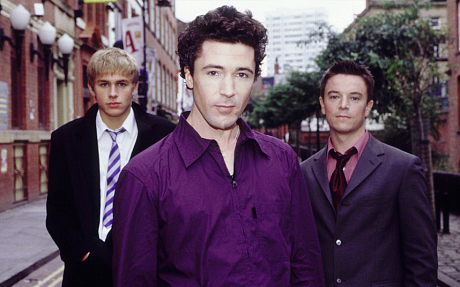
The historic vote in Ireland, the prominence of Aiden Gillen’s Littlefinger on Game of Thrones, and the viewing of Russell T. Davies’ two new series, Cucumber and Banana, have all intersected in my mind like a synaptic Venn diagram, charting my path from naïve Pollyanna graduate student to proud author of M/M romances. A time-travelling direct line can be plotted from present day to that distant, if dearly held, transformative year to being on the front line of the first LGBTQ-related controversies in the UK, i.e. the premiere of RTD’s Queer As Folk.

A broadcasting miracle on par with the advent of HBO and that classic episode of Maude, the airwaves were full of condemnation and threats in the weeks before the show’s premiere, which pretty much guaranteed that everyone would watch it. The usual accusations of perversion and moral degradation were lobbed at the producers, the actors, and Channel Four in the weeks that followed, as the series became more and more popular. It helped that nothing like it had ever been seen on television before, a boisterous, groovy, and sexually frank depiction of the life and loves of a trio of gay men in Manchester, anchored by the close friendship between voracious Stuart and adorkable Vince. (If you haven’t seen it yet… well, what are you waiting for?)

Every week, T. and I would curl up on my springy cot in front of my crappy little 10-inch, twitching like meth addicts as we waited for our weekly dose of cool. Like Vince, I was mad about Stuart. I loved his aloofness, his bravado; we used to mimic his signature slinky strut as we walked down the street. T., on the other hand, fell hard for the virginal but bold Nathan, and would later become embroiled in an ill-fated and unrequited romance with his own lithe blonde boy-nymph. But the thrill of it wasn’t just watching a great show—though there was that—but the sense that you were watching something unprecedented, revolutionary. It was the televised epitome of Cool Britannia.

I hesitate to call RTD’s return to Manchester and the LGBTQ scene a bookend to his career, because I hope he continues to write great shows for a very long time, but there definitely is a sense of coming home and a return to form with Cucumber and Banana. For a while, RTD was threatening to emigrate to America, but allegedly his efforts there amounted to nothing but frustration. No surprise, if this is the kind of daring, provocative, and addictive show he wants to make. RTD is still breaking new ground in terms of LGBTQ visibility on television, and it has been a treat to watch.

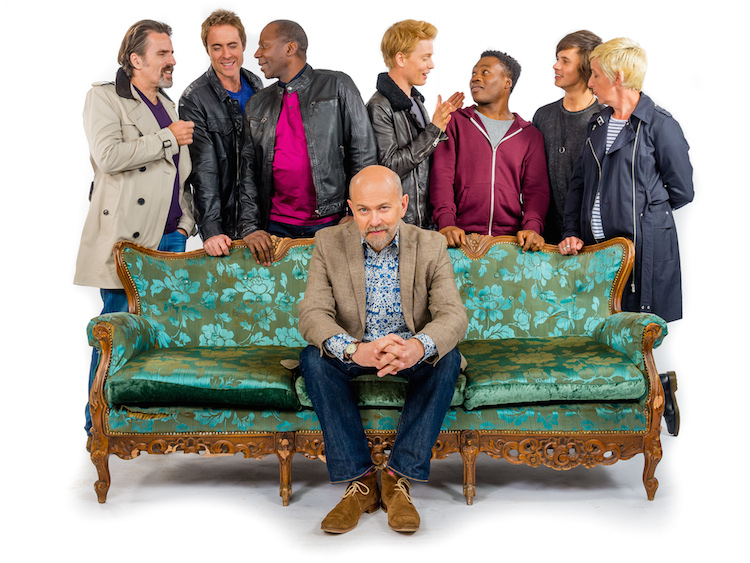
CLIFF (Con O'Neill), DANIEL (James Murray), LANCE (Cyril Nri), HENRY (Vincent Franklin). FREDDIE (Freddie Fox), DEAN (Fisayo Akinade), ADAM (Cel Spellman), CLEO (Julie Hesmondhalgh)

CLIFF (Con O’Neill), DANIEL (James Murray), LANCE (Cyril Nri), HENRY (Vincent Franklin). FREDDIE (Freddie Fox), DEAN (Fisayo Akinade), ADAM (Cel Spellman), CLEO (Julie Hesmondhalgh)

RTD, like many a good M/M author, excels at basing his narrative around an impromptu family of interconnected people, some of whom have known each other for years and some of whom have ended up together through a series of unfortunate events. After breaking up with Lance, his partner of nine years, middle-aged Henry moves in with two much younger co-workers, Freddie and Dean. Recurring characters include Henry’s sister Cleo, a single mum, her son Adam, and a blokey co-worker of Lance’s who he very awkwardly tries to court. Henry is your classic anti-hero; he comes off as a deeply reprehensible human being in the first episode, but as the layers of the onion slowly peel off, you sympathize with him, while never forgetting his inescapable flaws. Lance is more genial and likeable, but is saddled with his own issues, and it’s hard to completely fall under his spell when he breaks it off with Henry for reasons I find very closed-minded (and sort of cruel). Freddie, meanwhile, is both Henry’s object of lust and a classic RTD aloof bisexual dynamo in the Stuart mode, though he, too, is humanized as the drama unfolds. Dean is a young flibbertigibbet who doesn’t stop long enough to take in what’s happening to him, or indulge in some much-needed self-examination. Oh, and he’s something of a pathological liar. But the genius of RTD is that you have great fun in their company, and you can’t wait to see what crazy things happen next.

RTD productions always zoom from scene to scene at a breakneck pace, quips and quails coming at you in expertly edited montages set to propulsive dance tracks. Who can forget Queer As Folk’s use of the song “Sexy Boy” by Air at the beginning of the second episode? I certainly will take the images of Nathan stomping down the school hallway and Stuart’s playful smoulder across the table at a co-worker to my grave. But RTD’s usual chaos and melisma never drowns out the character moments, and he never, ever blurs the uglier sides of his characters. These are flawed, complicated humans who regularly give in to their baser urges and exercise spectacularly poor judgment. And we as viewers are the better for it.

Banana is a companion piece to Cucumber, featuring some of the same characters in minor roles and fleshing out side characters from the mothership. It’s a far more poignant series exploring emotional topics not covered on the main show. Each episode is a vignette, a peek into the romantic life of a side player, more often that not with the aim of tugging on the heart strings. One thing that I find exceptionally appealing about an RTD production is that he always tries to assemble the most diverse cast possible. Though Cucumber revolves mainly around a cast of racially diverse gay/bisexual men, Banana tells stories about people of all sorts of sexual orientations. In both series, there is not a topic or aspect of modern sexual mores that isn’t covered, some more superficially than others. But like Dean, the series doesn’t often stop long enough to say something profound, possibly because, like Freddie, it’s too cynical to assume those kinds of questions have answers.

Sixteen years after the debut of Queer As Folk, Russell T. Davies has brought me back to that special time in my life, once again offering a slice of Manchester life with universal themes, and pushing the boundaries of what aspects of LGBTQ life can be discussed on television. We’re both more seasoned and—ostensibly—mature, but aren’t above getting off on a little slap and tickle.

So check out Cucumber and Banana. They’ll change the way you go grocery shopping forever.

It’s Not Much Ado About Nothing: Female Fan Opinions in Pop Culture

If you were anywhere near a computer this week and are even remotely interested in pop culture, you may have seen a headline or two about the great controversy of the week. The UK general election, you say? The earthquake in Nepal? No, we’ve already moved on from that. How about the fact that crazy weather events are making it harder and harder to deny the truth of climate change? Nah, we’ve stopped caring about that a long time ago. I’m talking about the fact that a bunch of “feminists” allegedly chased Joss Whedon off Twitter.

Now, I realize I’m giving this story even more of a shelf life by writing about it myself. But I’m interested in something a bit deeper than this eye-roll of an “entertainment news story”. If you would like to know Whedon’s actual reason for quitting Twitter, which I believe because it’s not some gross assumption, but rather the words straight out of his mouth, go here.

What disturbs me most about the traction this story got in the media is the subtext behind almost ever post, blog, and think piece about it: “Oh, those crazy women and their opinions.” It was basically a bunch of pundits giving life to and pursuing a story that was the equivalent of a dude reaching for the remote and turning up the volume to drown out his wife’s nagging. Oh, those feminist fangirls. They’re always so outraged! Look what they did this time! Poor Joss Whedon—one of their staunchest supporters—can’t even catch a break!

I am *so* tired of this narrative. It’s just another way of othering people of different genders, sexual orientations, races, and social classes. It’s a narrative that assumes that, 1) all the people upset about the treatment of Black Widow in Ulton are female; 2) all of those females hate the treatment in exactly the same way; 3) all of those females are feminists (Why? Because they dared to open their mouths?); 4) all of them banded together to blame Joss Whedon for the film’s flaws; and 5) there is something inherently wrong in criticizing a piece of pop culture, especially if you’re a woman.

We saw it with GamerGate, we saw it with the Hugo Awards debacle, and we’re seeing it again with this non-issue. Apparently, a raging horde of feminists and their opinions are so terrifying that there’s actually some white-dude panic button that gets hit every time someone who—let’s be real—opened himself to criticism by making a public work of art does something some women somewhere judge to be sexist or problematic. Cry me a river. The only good thing about this story is that it attributes a certain level of power to the collective voices of women—the wrong kind of power, a bullying power, but power nonetheless. That’s poor consolation when the reaction is akin to sticking your fingers in your ears and shouting, “Lalalalala! I can’t hear you.”

The most infuriating thing of all was that not one of these news outlets quoted any of the so-called abuse directed towards Whedon in their stories [Note: No, I did not read them all, but in general]. Throngs of angry feminist fangirls allegedly had their pitchforks out, but not even the most reasonable of their arguments was worth quoting. It’s not like there was a lack of source material. The most cursory Tumblr search yields reams upon reams of thoughtful, well-articulated opinions on the subject. There’s also quite a bit of caterwauling, but so what? Why aren’t those fans entitled to express their outrage on social media? If those fangirls are really to blame, why aren’t their perspectives represented in these news stories and think pieces? Could it be because that would require a level of nuance these paint-by-numbers stories lack? Could it be because the “rabble of raging women versus beleaguered feminist-sympathetic auteur” angle wouldn’t work if someone reported the actual words of actual women who criticized him? Could it be because there isn’t one single totalitarian feminist fangirl voice, but a multiplicity of opinions, on this and every subject?

As usual, the media took the easy way out. But one day, that collection of diverse, insightful, knowledgeable voices is going to band together—to drown out the misogynistic subtext, to change the narrative, to scream for their right to be heard.

And I, for one, will be proud to lend my voice to the din.

Selina


P.S.: One of the few good opinion pieces I read on Whedongate was by the lovely Sarah of LaineyGossip and Cinesnark fame. Read it here; it’s definitely worth your time.

Geekonomics

A long time ago in a galaxy far, far away, a young filmmaker named George Lucas made what was easily the smartest decision of his life. He negotiated a percentage of the merchandizing for the little space opera he was about to film; you know, the one the studio didn’t believe in that was a laughing stock until it became an industry unto itself. As the writer-director, George, like every other creator in Hollywood at the time, received a flat fee for his services, $150,000. So if he hadn’t negotiated that vital percentage of the merch, he would have watched the studio print money off his ideas and imagination (and that of all the other genius craftsmen who worked on the film).

Instead, he opened his own film studio. Almost 40 years later, he sold that studio and all its sub-companies, Lucasfilm, for $4 billion. That’s billion with a “B”.

That one savvy business decision way back in 1973 not only shaped George’s life, but it was the genesis of one of the high tenets of geek culture: you must love stuff. I don’t have any hard data, but I think it’s a fair educated guess to say that before Star Wars, geeks didn’t collect merchandise quite as lustily as they do now. It has become a fundamental part of the pop culture experience.

In geek circles, our passion and loyalty is unparalleled. Whether you’re the kind of geek who buys the occasional T-shirt or box set, or the kind that has every single FunkoPop figuring and spends months perfecting your cosplay outfit for the next con, a very real and very necessary sense of belonging is fuelled by your buying choices.

Good old George opened something of a Pandora’s box when he unleashed those first twelve Star Wars action figures into the world, which celebrated their 35th anniversary this week. [Full disclosure: I owned them all.] Merchandise for our favorite fandoms is everywhere we look, from the grocery store to the library, in big box stores and specialty comics boutiques, from Amazon to Etsy to Think Geek to a zillion other online retailers. If you have the cash, someone somewhere will be able to sell you the piece of memorabilia you crave the most—the more obscure, the more jacked the price. Fans themselves are knee-deep in the merchandizing game, and why not? We all dream of turning our passion into profit.

I know you’re all waiting for the “But…”. An anecdote instead. Two autumns ago, I attended my first every con. I hate large crowds, so I tend to avoid those kind of events, but it was amazing. The costumes bedazzled. The devotion of the fans touched me. The incredible feeling of peace and camaraderie. Everyone was respectful of others. Everyone was accepted. We were all geeks, and we all belonged.

For a price, though. Since I had never been to a con before, I had no idea that if I wanted one of the celebrity panellists’ autographs, I would have to pay $40-$60 dollars for the “privilege”. For a five-second photograph with said person, where you’re not even allowed to say more than ‘hello’, closer to $100 when all was said and done. Group shot with four members of the cast of a famous sci-fi show that the con was staging a reunion for? The bargain price of $160.

Let’s take a moment to do the math on this one. You’ve already paid $40 just to step in the building, invested who knows how much in your costume, and haven’t even bought a T-shirt yet, let alone any of the really outstanding pieces in the marketplace, like a sword or a board game or a life-size replica of Han frozen in the carbonite. Not to mention all the companion books, posters, DVDs, etc, that you have at home. Or the blog you started to celebrate a particular show or character. So by the time you’re standing in front of Fourth Lead Who Only Lasted Two Seasons, you could easily have invested north of a thousand dollars in your convention experience (especially if you want your photo taken with more than one celeb guest), and they want you to pay for their autograph.

Friends, things have gotten out of hand. The film studios and financial backers, not to mention the marketing firms and the companies that make the merchandise, have us by the pocketbooks, and they are not letting go until they rob us blind.

I know that the above spending breakdown does not represent the average geek. I know that it’s damn fun to fly your colors. I’m not saying never buy merchandise. At this very moment, I hotly covet a Star Labs sweatshirt. I have my share of posters, companion books, and action figures. This past December, I spent an inordinate amount of money on U2 tickets. I probably spend more on books than I ever have before because I believe in paying for art. I also applaud any geeks who are out there making and marketing merch for their own creative work or fan art, or trying to fund ambitious projects through kickstarter campaigns. But we need to remember that the money we spend is power, and we need to spend it wisely.

The thing that triggered this post was the announcement by Warner Brothers this week that they would release the trailer for Batman Vs. Superman in IMAX theaters. In order to see a trailer that would be online in a matter of minutes after the screening, you would have to pay for an IMAX-priced ticket. Just for a trailer. Two and a half minutes of screen time, $18.

This is the kind of exploitative corporate stunt that really gets my blood boiling. [The trailer leaked today. Take that, executive scumbags.] And it’s only going to get worse unless we take a stand. The only power we have as fans is the money we spend and where we spend it, and we need to use it to send a message. We need to show the studios that this kind of cash-grab is unacceptable. I am all for paying for art—even commercial art—but I don’t support outright greed.

A better example of how to do a major trailer release was demonstrated by the team behind the new Star Wars film. They showed the trailer first to a hall full of convention attendees, making it worth their time and money by inviting most of the stars of the new and old films to do a panel for them. The trailer was released simultaneously online, and the world roared. Because they knew what we wanted. Which wasn’t to wait in line for hours for a good seat at an IMAX cinema for two and a half minutes of meaningless footage that revealed little to nothing about the film or the plot. It was to feel some sort of connection with the characters and exotic worlds we’ve visited and loved. It was to be reassured that this time, they didn’t screw it up. It was to see an image we had been waiting over thirty years to see again: motherfucking Han Solo and Chewie back home on the Millennium Falcon!

In other words: priceless.

I think we all need to take a step back and remember what’s important, what we love about fandom and geek culture. The characters. The fantastical worlds. The friendships. Great art made by great artists, whether they be the creators of the work or fans responding to it with their own art. That feeling you felt when you first entered that magical otherworld. When you realized that someone else actually likes the same rare or obscure work that you do, and how you talked for hours after you finally found each other. The oasis you found from your loneliness, or shyness, or social awkwardness, or otherness.

We need to make careful, conscious choices about where we spend our very hard-earned money, and how much of it we are willing to spend, because being able to do so is a privilege. Geekdom is a privilege in many ways, but none more so than financial. In my own life, I make sure I offset these kinds of pleasure expenses by donating at least as much each year to a worthwhile charity. Because I do not need a Star Labs sweatshirt more than someone below the poverty line needs to eat.

It’s a golden age of geekery out there, and there’s enough room for everyone in the sandbox. But that doesn’t mean we should be taken advantage of, and that doesn’t mean we get to take advantage of others.

Those are my rules of geekonomics. To me, it’s a simple equation.

Namárië,

Selina

My Yoga Diary #2: Child’s Pose

childspose

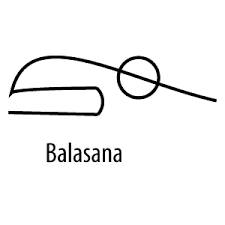
Last time I wrote about a pose that comes quite easily to me, that helps me find my peace. This edition of my diary considers a pose that is one of the easiest to do, Balasana, or Child’s Pose, but can be deceptively challenging to practitioners who, like me, were quite overweight when they began their practice. For a fat person like me, it can be intimidating to walk into your first yoga class. Intellectually, I know everyone is critical of themselves, especially in a society like ours. Even thin people often don’t think they’re thin enough, or that they’re too thin. We’re all insecure about our appearance in some way. But the ‘classic’ image of someone who practices yoga 99.9% of the time is one of a slim, muscular, flexible female. While googling images for this post, there was one of an overweight person performing Child’s Pose, out of hundreds.

Although everyone I’ve met in yoga class has been kind and accepting, that first step is a tremendous one. And when a pose like Child’s Pose comes along, you think to yourself in relief, “Okay. I’ve got this.” Because it helps as a mental exercise to be able to accomplish at least one pose well, especially when you’re a beginning. Except that, no, this isn’t going to be easy at all. Because as soon as you crouch down and look between your legs, you realize that your thighs don’t touch your calves. It’s not easy to fold your body together when you’re overweight, to make yourself small enough that your forehead can touch the mat while your butt meets your heels. Let’s not even talk about taking a deep breath in this pose–your abdomen’s practically in your throat. And if you’ve got large breasts… Well. One of the good things about being a curvy girl *is actually a bad thing when doing this pose*!

All this to say that, at first, this pose hit me where it hurt, both psychologically and physically. It’s a wolf in sheep’s clothing.

Ten years on from that first yoga class, I love the pose. It’s the clearest sign of my progress in my practice because, even though I’m still no one’s definition of skinny, the heels of my feet have now met my butt. Thighs and calves have a bit of a thing going on. My forehead and the mat are totally tight. Breathing is still a challenge, but I’m getting there. I can actually be comfortable in the pose now, release and give over to the powerful feeling of being small.

Submission. Like fat, it’s considered a negative in our society. A sign of weakness. A lack in your character. But that is, once again, the beauty of yoga. Because to be in Child’s Pose is mindful submission. It’s the yoga equivalent of standing in a valley and staring up at the river, the forest, the mountains, the sky, the immensity of nature, the world, the universe. It’s acknowledging the forces beyond our control and giving yourself over to them willfully. It’s admitting that you won’t always have the answer, know the right thing to do, be able to guide yourself through life without seeking help from others. You’re a seashell–small, but open. Ready for the ideas and insights to pour in.

It’s a humble pose. In the age of me, me, me, social media, reality TV, the selfie, entitlement, putting people on blast for taking even a half-step wrong, etc, we could all use a bit more humility. The opportunity to listen without judgment. To explore ideas different to our own patiently and respectfully. To open ourselves to learning instead of thinking we already know it all. *I* certainly need to be reminded of all these things on a regular basis, and that’s the reason why I’m constantly inspired while doing Child’s Pose.

If you practice, what does the Child’s Pose mean to you? Join me in a month for the next instalment of my yoga diary.

Namárië,
Selina

Top 5 Most Cinematic M/M Romances

One of the great tragedies of the modern cinematic era, IMHO, is the fact that Brokeback Mountain was followed up by… absolutely nothing. There hasn’t been one mainstream film about a gay couple since, nor is there likely to be one in the near future. A few on the indie scene have managed to make something of a splash among critics and diehards—Love Is Strange, Mysterious Skin, and The Kids Are All Right come to mind—but nothing on par with the visibility and the success of Brokeback.

It’s not like Hollywood is lacking in source material, either. They could adapt Mary Renault, Christopher Isherwood, or Gore Vidal if they want some highbrow Oscar-bait. But wouldn’t it be more interesting if, hot on the heels of *that movie* and the supposed renaissance of sexy adult films (I’ll believe it when I see it), they looked to the M/M romance genre and the hundreds of authors whose works are both high-quality and highly filmable? Seriously, indie producers, what are you waiting for?

But, as a community, we don’t really have to wait for those producers anymore, do we? Surely there are enough M/M readers worldwide to fund a serious Kickstarter or Indiegogo campaign. Enough readers with a background in film or television (like me) to shepherd the project to completion. Maybe one day my dream of having a production company that exclusively adapts M/M books will be a reality. In the meantime, a girl can dream… about which books she would tackle first, and who should star in those theoretical films.

Whether this is a pie-in-the-sky ambition, a dream that could be a reality with enough elbow grease, or a fun party game, I offer up for debate my (very subjective) list of the Five Most Cinematic M/M Books! After you’ve perused the list, hit up the comments with your suggestions, alternatives, or casting revisions!

Stranger on the Shore by Josh Lanyon

imagesIMIUVC74imagesDCZ79ZHU

If that IndieKickGogoStarter campaign ever does see the light of day, one of the big issues is going to be which book to tackle first. Any producer worth their salt would do enough research to know that Josh Lanyon is probably the most read author in the genre, with an extensive backlist and several movie-ready series (because the name of the game is always sequels). The two obvious choices would be to start with the first Adrien English novel, Fatal Shadows, or, if they have more of a budget to work with, the Dangerous Ground series. Both would be excellent choices and would make great films.

But I would look to one of his more recent works, Stranger on the Shore. I mean, just look at what he did with the trailer! The book has everything great movies are made of: a compelling mystery, a Kennedy-esque family with dark secrets that suffered a major tragedy, a leading man with a personal connection to the family and the crime, a nosy reporter with secrets of his own, a gorgeous Hamptons backdrop. With its many allusions to The Great Gatsby, Stranger on the Shore positions itself as a modern-day twist on that classic: romantic, mysterious, luxurious, and entrancing. Throw in a picturesque moonlit lake view with a green light across the water, and I’m sold.

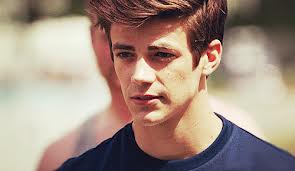
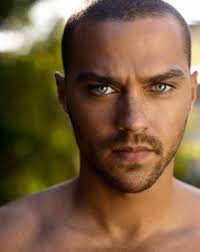
Casting: As Griff, the pesky reporter writing a book about the Arlington family tragedy, I can’t think of anyone more dogged yet charming than Grant Gustin. He also suffers quite prettily, too, and that baby face doesn’t hurt. As Pierce, the stone-cold lawyer and Arlington family bulldog, Alexander Skarsgaard’s Scandinavian chill and grace would seduce pretty much everyone watching. Still, even though the character in the book is Caucasian, I like to practice color-blind casting, and think Jesse Williams or Mike Coulter would also be great—and super hot!

The Magpie Lord by K.J. Charles

imagesCZMIUE73images1J5CHEDS

Victorian London. A cursed lord with a booby-trapped mansion and a merciless sorcerer out to exploit the very blood coursing through his veins. A secret organization of magic police who hunt down anyone who abuses their powers. A book crammed with more imagination, thrilling events, sexual smoulder, and cataclysmic climaxes than a reader deserves… Not to mention stripping. Both the kind you think and… not. The stuff of fantasies, both sexual and adventurous. The stuff of nightmares, but, you know, the fun kind that go bump in the night. This is the real Harry Potter for grownups.

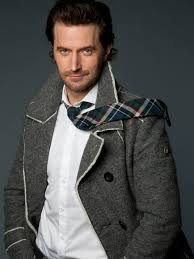
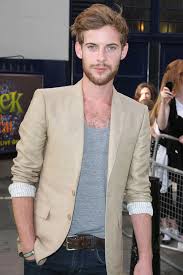
Casting: The obvious choice for Lord Crane based on physical description alone is Lawrence Fox, but I find he has a sleepy quality that doesn’t suit Lucian. Someone who has the strength, the stillness, the wryness, and the imperiousness required is Richard Armitage. He doesn’t look exactly right, but that’s an easy fix. For Stephen Day, the tiny ginger with the adamantium sense of morality and the fearsome powers, I would look no further than the lovely Luke Treadaway. Although…. something about James McAvoy speaks to me as well. I think he would nail Stephen’s weariness and intractability.

Driftwood by Harper Fox

1000x69517

When comes to the fantastic Ms. Fox, there isn’t a book in her cannon that isn’t outrageously cinematic. This author paints on a epic canvas, and her settings are often secondary characters in her books. Any one of them would make a riveting film, but Driftwood has touchstones and elements that I still remember vividly some three years after reading it. The statue shaped like a wave. The many rescues/dangerous encounters at sea. The protagonists’ military backgrounds and personal tragedies. Meet cutes at standing stones. And, of course, the decaying lighthouse where the MC lives, which at one point topples over the side of a cliff. The dangerous beauty of Cornwall, where it is set. There is so much meat here; it would be a cinematic feast.

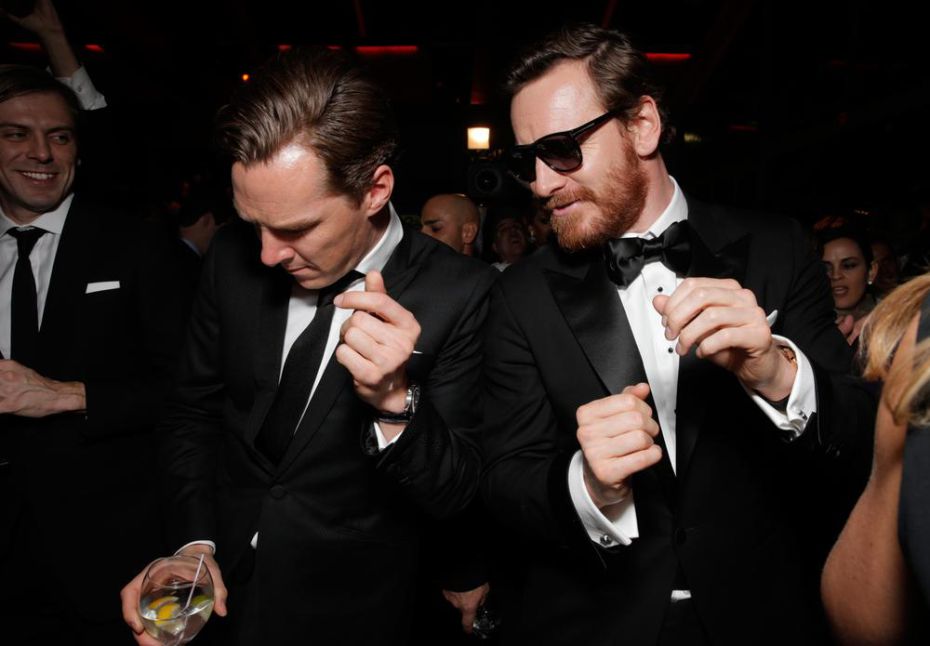
Casting: Ever since I read the book, I have a theory that a crude version of its genesis went a little something like this: Benedict Cumberbatch shags Michael Fassbender. Now, this doesn’t do anything like justice to Ms. Fox’s subtle character shadings and riveting storyline, and it could be me imposing my own obsessions on the books, but, well. That’s the movie I see in my head. Cumby would be the doctor, Tom, of course, and Fassy the helicopter pilot, Flynn.

Captive Prince Volumes I and II by C.S. Pacat


FreddieFoxMomoa

Two rival countries, both alike in… well, deceptions, double-crosses, overthrows, assassinations, warmongering, and manipulations. Romeo & Romeo, this ain’t. The captive prince of the title is forced into slavery after his father’s murder by his bastard brother. He’s sent to their most vicious enemy, a kingdom with a maniacal regent and a ruthless king-to-be, who is first in line for the throne because the slave-prince killed the older brother he worshipped in order to win a war. The political machinations alone make the Game of Thrones look like a round of Scrabble, and the enemies to lovers saga is one of the most gripping and infuriating I’ve ever read. Did I mention the kidnappings, wild hunts, sneaking into enemy territory at night, stormings of castles, and breath-stopping escape attempts? Possibly the best love scene I’ve ever read? One of the most complicated and inscrutable characters in all of creation? Forget a movie—this book needs its own 10-part HBO series.

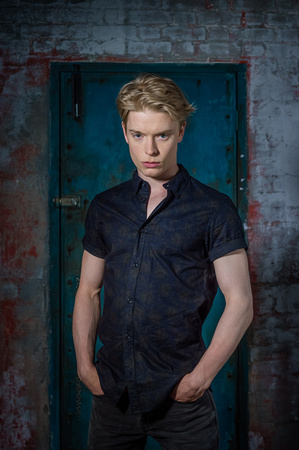
Casting: Jason Momoa would be interesting for Damen. For Laurent, I can’t think of anyone better than Freddie Fox. If you’ve seen Cucumber, the Russell T. Davies series, you’ll understand.

Provoked by Joanna Chambers

untitled42imagesG2CQIYSJ

Righteous young lawyer David Lauriston is eager to make his mark on the legal profession in 1822 Scotland, but also to help people and serve the common good. He is tormented by his sexuality and longs for the one that got away, a boyhood love he was forced apart from years before. Enter Lord Murdo Balfour, tall, dark, and unapologetic about his need for other men. Of course, it helps to have the bank account and the social connections that can pay for discretion. Part legal thriller and part opposites-attract romance, all set against a rarely seen historical backdrop—not to mention an inordinate amount of men in kilts—this book is begging to be made into a film. Though book three, set at Murdo’s highland estate, would be the most picturesque.

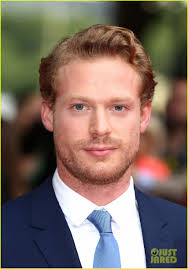
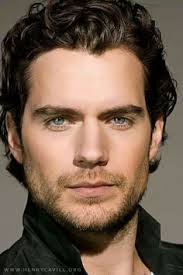
Casting: As ambitious but morally conflicted David, the Australian actor Sam Reid, so good in a similar part in last year’s Belle. As Murdo… I’m conflicted. So many of the actors I think would be amazing in the role are too old now to play it—Matthew Macfadyen, Viggo Mortensen, Manu Bennett. But then I remembered that Henry Cavill—before he chose to go the leading man route—has the height, the range, the manliness, and the sense of mischievous superiority, as evidenced by his work on The Tudors. BBC Films, make this happen!

Over to you, gentle readers. What M/M romance would make your list must-see films? Who would you cast and why? Feel free to use and abuse the comments as your very own casting couch.

My Yoga Diary #1: Triangle Pose

triangle

I’m what you might call a straight-shooter. Not a big sufferer of fools. The antithesis of anything New Age-related. Grounded in the here and now. I limit my fantastical journeys to my imagination and my writing. I’m also not much for fads or trends, in fashion, exercise, or otherwise. All this to say that I used to be a yoga cynic.

When yoga first became popular, there was no way to predict that it would outlast taebo or zumba or jazzercise. Celebs like Christy Turlington promoted it. All the Hollywood types were doing it. Even though it stemmed from an ancient tradition, to a laywoman’s eye it looked like just another appropriation of Asian culture (though I still think an argument can be made there). Until I took a class, that was.

I’m still not sure what led me to try it out. I’ve never really been a sporty person. I prefer solitary or autonomous forms of exercise that can be done outdoors: swimming, walking, biking. I’m gym-phobic as a rule, and am always looking for a more natural way to tone by body. Something about yoga must have appealed to me, but ten years on, I can’t remember what. All I know is that I love it.

My first yoga teacher, Joanne, would always start our classes off with an intention. Something to keep in mind while working our way through the day’s poses. As mentioned, I have a bit of a knee-jerk hatred of anything too esoteric (or ‘woo-woo’, as the kids say), but I thought this technique—of taking something from our day to day and working through it as we exercised—brought some of the airier yoga concepts down to earth.

I’ve also been astonished by how emotional one can become while practicing yoga. If you really devote yourself to learning the breath-control aspect, it can be very affecting on certain days or during trying periods of your life. Technique can help you through major and minor life events, such as when I used the controlled breathing to endure a 45-minute MRI scan or relax before delivering the eulogy at my grandfather’s funeral.

For the past year, I have re-devoted myself to my practice. It has helped me through a great many highs and lows. Now, I’m not some size-zero nymph. I’m flexible, but not a contortionist. I still do beginner-level poses; I likely always will. I am not a yoga teacher or scholar. The following represents nothing but my personal thoughts and experience, which may not match your own.

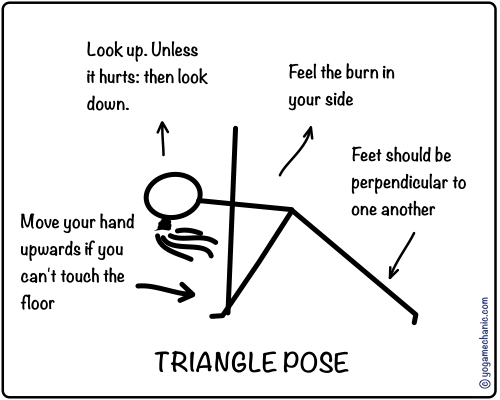
But I find solace in the practice of yoga. The work involved in achieving each pose is both ongoing and fascinating. So I thought I would talk a bit about my own experience with each pose once a month, hopefully in a relatable sort of way (forgive me if I get a little too ‘woo-woo’ in the telling). This month, we’ll start with my favorite pose: trikonasana, or the triangle pose.

Triangle pose has always been easy for me, which can be dangerous. You can get sloppy with poses you’re adept at if you’re not careful. In yoga, you strive to be relaxed but engaged, and if that engagement lapses, then you derive no benefit from the pose. For me, the triangle pose is a reminder to always be present, to pay attention to the minute details, to never be complacent.

It’s also a joy. As the girl who always got picked last at team sports, it boosted my confidence to be able to do this pose with ease. It helped me to discover that though I’m not thin, I’m flexible. It taught me to enjoy physical fitness. But most of all, it brought me peace. There is something about holding this pose, really giving myself over to it, that transports me to a place of serenity. I don’t have to fight anything. I can just be.

Blogger Chanti Tacoronte-Perez describes the pose as “grounding versus aspiration”. One hand to the earth, one hand reaching for the stars. The whole body is extended toward the sky, but the feet remain firmly planted. It’s asymmetrical, off-kilter, a unique way of viewing the world. It’s little wonder I feel so comfortable in it: that’s an apt description of me.

If you practice, what does the triangle pose mean to you? Join me in a month for the next instalment of my yoga diary.


Selina

Like Stars Print Release Party & Guest Post!

Friends,

I am so thrilled to be able to announce that my first novel, the historical M/M romance Like Stars, is now out in print from Amazon and Barnes & Noble (just in time for Valentine’s Day). In order to celebrate this release, the kind folks at M/M Good Book Reviews allowed me to do a guest post at their site. The topic? My long and twisty road to finding the title for Like Stars.

I will also be giving away one copy of Like Stars (eBook or print, winner’s choice). So please join us!

The gory details:

Amazon http://www.amazon.com/Like-Stars-Selina-Kray/dp/1608209571/ref=sr_1_4_twi_2?s=books&ie=UTF8&qid=1423692628&sr=1-4&keywords=like+stars

Barnes & Noble http://www.barnesandnoble.com/w/like-stars-selina-kray/1120747407?ean=9781608209576

What the reviewers are saying:

GoodReads https://www.goodreads.com/book/show/23561956-like-stars

Literary Nymphs http://literarynymphsreviewsonly.blogspot.ca/2014/12/like-stars.html?zx=1031c847ef282851

Hearts on Fire http://heartsonfirereviews.com/?p=31802

Bisous!

Selina

What Was Your M/M Gateway Book?

It is my hope, it is my dearest wish, it is my belief that 50 years from now, people from all walks of life will grow up considering books about queer characters the norm. That there might still be an LGBTQ subcategory in bookstores and libraries, but only to direct customers to what they want, the same as ‘mystery’ or ‘cooking’ or ‘historical non-fiction’. That there will be no queer books because being queer or writing about queer characters won’t be not considered ‘other’, but everyday. Regular. Same old, same old, even. (I am struggling mightily not to type the word ‘normal’, as you can see, because I don’t believe there is such thing as ‘normal’ when it comes to sexual orientation or gender identity. ‘Normal’ is the real enemy!)

Alas, we did not grow up in such a society. At least I didn’t—and if you did, please tell me where it is so I can move there. So those of us enthralled by the M/M romance world, or the world of queer authors and characters, each had the equivalent of the cherry pop. Maybe you learned about M/M, F/F, M/M/F, bi, trans, et al, romances through fan-fiction, as I did (Lindsay/Angel, hi!). Maybe a trusted friend of yours recced a book that you read against your better judgment, and then you found your craic. Maybe you read them for political reasons—who knows?

However you got there, I want to hear about it! Tell me about the first book that made you weak-kneed; made you rethink your reading choices; made you stay up until all hours of the night, frothing at the mouth like some were-thing until you’d consumed the whole book and collapsed on your bed, satisfied but devastated that it had to end. Hit me up in the comments—I want to hear your stories!

As for my own… I did start with fan-fiction, but in terms of original fiction there are two books specifically that shaped my tastes in the M/M genre and are the standard against which I measure greatness. I really wish I could include Brokeback Mountain in this list, but unfortunately I read it much, much later. But you won’t go wrong if you read either of these exceptional—if perhaps unsurprising—books.

The_Charioteer

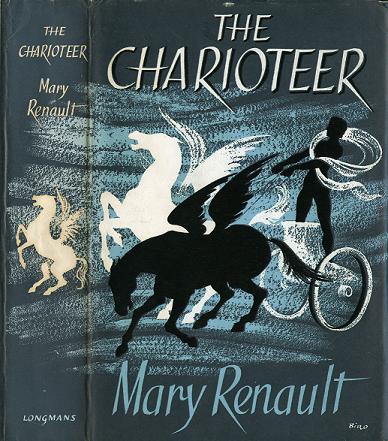
The Charioteer by Mary Renault

I know I’m not the only M/M reader to cite this book as their first or their favorite (ahem, Josh Lanyon), and there’s good reason for that. Though technically I first read The Last of the Wine, that book was much more about life as an ancient Greek, while in The Charioteer the romance aspect is much more prominent.

It’s the story of Laurie, a wounded British WWII soldier who is battling his own discomfort with being gay and all that means in the repressive society he lives in. Romantically, he is torn between Andrew, a Quaker and conscientious objector, and Ralph, a old friend and hard-partying naval officer who is involved in the gay subculture of the time.

Renault is a master of setting, indelibly recreating the time period that she herself lived through, and imbuing her characters with complexity, passion, and authenticity. If the storyline seems rudimentary to someone who has by now read a lot of these books, that’s because it’s the blueprint that so many ‘coming out’ and ‘coming to terms with your sexuality’ books used as inspiration. It is in every way a classic of the genre, and a deeply moving read.

And if the BBC had any balls, they would adapt this gem into an award-winner.

68485

Swordspoint by Ellen Kushner

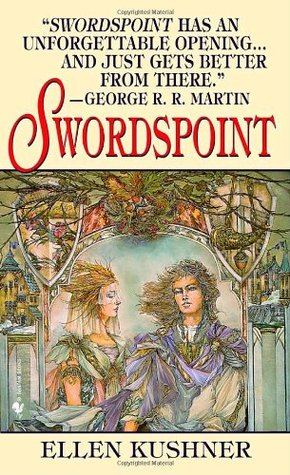
Richard St. Vier is everything you could want in a romantic hero: noble, dashing, down-on-his-luck, loyal, stoic, and true. He is a sword for hire in a vicious caste society that puts the schemers of Westeros to shame. Alec Campion, a student of the strident and relentless variety, falls into his life and his bed at the worst possible time, and chaos ensues from there. Come for the compelling push-pull of their relationship as they learn exactly what they’ll have to sacrifice to protect each other; stay for the machinations and dirty dealings of a society that magic has abandoned, where the two-faced aristocrats of the Hill will do everything in their power to crush the people of Riverside and each other. This one will break your heart while making you believe again, it’s that good.

I feel a major re-read coming on…

Your turn. What M/M (or F/F, or M/M/F, etc.) was ‘the one’ for you? Can’t wait to put it on my own ‘to read’ list!

Happy reading,

Selina